A First Look at the Blueberry Haze Syringe: Distillates, Dabbing, and What to Expect
The Rise of Prefilled Cannabis Concentrate Syringes
Walking into the concentrate side of cannabis a few years ago usually meant handling sticky jars, metal dab tools, and a lot of guesswork. You would scrape a dab onto a hot nail and hope you had the right amount. The market has shifted since then. Now you see prefilled syringes showing up on dispensary shelves and online shops, and they solve a real problem: precision. One of the more interesting options I have come across lately is the blueberry haze syringe. It is a delta 8 distillate product that comes ready to use, and it has changed how I think about dosing and portability.
Before I get into the specifics of that particular product, it helps to understand what is inside these syringes. Most of them contain cannabis distillates, which are refined oils that have been stripped of plant matter and then concentrated. Delta 8 and delta 9 are two cannabinoids that appear frequently in these oils. Delta 9 is the classic psychoactive compound most people associate with marijuana. Delta 8 is a close relative, often described as milder and less anxious. When you see a syringe labeled with a strain name, it usually means the oil was extracted from that specific plant variety and then tested for its cannabinoid content.
Why a Syringe Instead of a Dropper or Jar
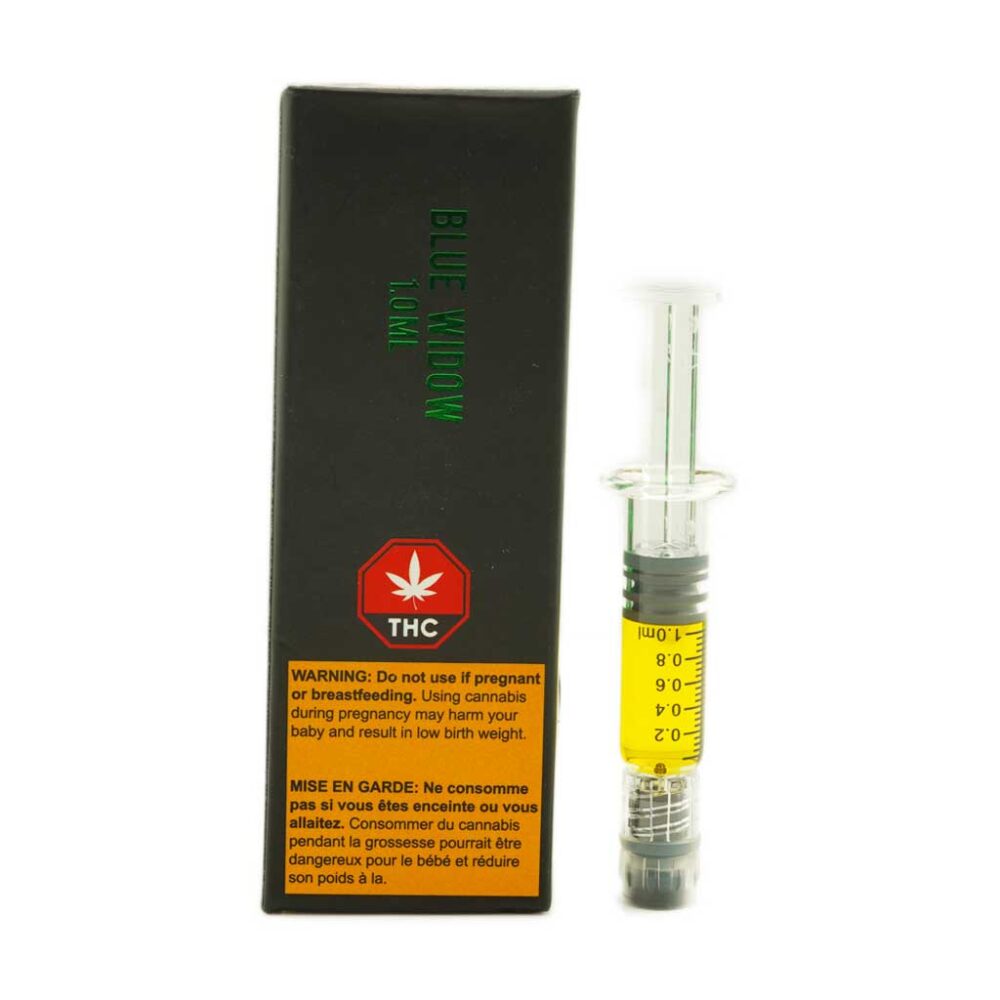
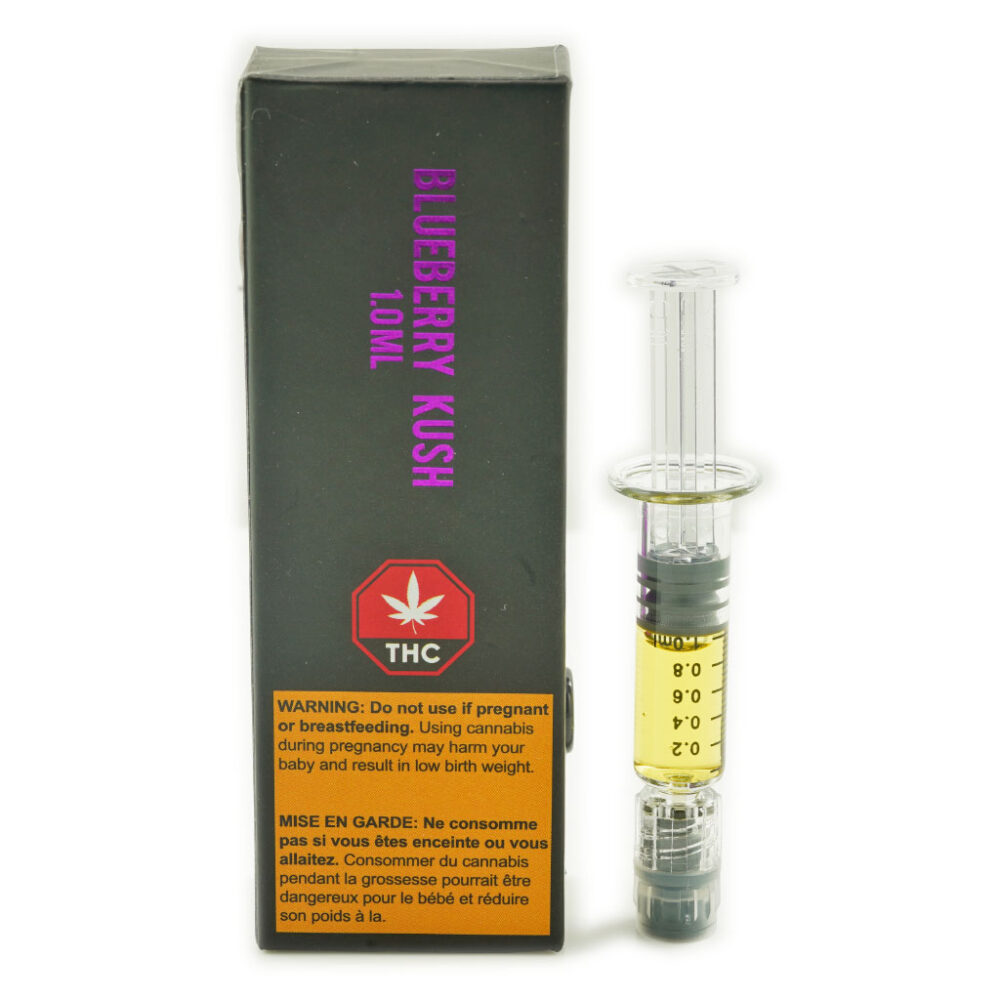
The first time I held a blueberry haze syringe, I noticed how different it felt from the usual concentrate jar. The syringe tip is narrow and precise. You can dispense a single drop onto a dab rig or into a vape cartridge without making a mess. That matters more than you might think. With a jar, you often end up scraping the sides or spilling oil onto your fingers. With an oral syringe, you push the plunger and the oil lands exactly where you want it. It also makes it easier to load a consistent amount every time, which is helpful for people who are new to dabbing or who want to track their dosage.
There is a practical side to this design as well. Syringes seal tightly. They do not leak in a pocket or a bag the way a dropper bottle might. If you travel with concentrates, a prefilled syringe is far less likely to cause a sticky accident. The blueberry haze syringe I tried came with a small cap on the tip, and the plunger had a locking mechanism that prevented accidental dispensing. Those details show that someone thought about the real-world use case, not just the chemical contents.
Terpene Profile and Strain Character
Blueberry Haze as a strain has been around for a while. It is a cross between Blueberry and Haze, two well-known cannabis varieties. The Blueberry side gives it a sweet, fruity aroma, while the Haze side adds a sharp, earthy note with hints of spice. When that strain is turned into a distillate, the terpenes become more concentrated. The first hit from a blueberry haze syringe gave me a strong whiff of berries and a faint peppery finish. The terpene profile was clean, without any of the burnt or plastic notes you sometimes get from lower-quality extracts.
One thing to watch for with distillates is the loss of minor cannabinoids during processing. Solventless extraction methods like rosin pressing preserve more of the original plant compounds, but distillates often go through a process that strips out everything except the target cannabinoids. That can reduce the entourage effect, the synergistic interaction between all the compounds in the plant. Some brands try to compensate by blending in terpenes after extraction or by using CO2 extraction, which can preserve a wider range of compounds. The blueberry haze syringe I tested was made with a distillation process, but the terpenes were still present and the flavor was distinct enough to identify the strain blind.
Delta 8 and Delta 9: What You Feel
The cannabinoid ratio in a syringe matters a lot for the experience. Delta 9 is the standard. It produces the familiar euphoria, relaxation, and sometimes anxiety if you take too much. Delta 8 is less potent in terms of psychoactivity but still interacts with the same receptors. Many people report that delta 8 gives a clearer headspace and fewer panic responses. That makes it a good choice for daytime use or for people who have low tolerance. The blueberry haze syringe I used was labeled as a delta 8 distillate, and the effects were noticeably milder than a delta 9 concentrate of the same size. I could take a small dab and still function normally, which is not always the case with high-delta-9 oils.
That said, delta 8 is not a beginner-only molecule. It still has an effect, and it can build up in your system if you use it repeatedly throughout the day. The key is the same as with any concentrate: start with a tiny drop and wait ten minutes before deciding whether you need more. A syringe makes that easy because you can measure out a very small volume. With a jar, it is tempting to scoop out a big glob because you cannot see the quantity clearly. With a syringe, you see the markings on the barrel, and you can dispense exactly what you intend.
Lab Testing and Consistency
One of the reasons I felt comfortable trying a blueberry haze syringe from an online shop is that the product had lab testing documentation. Reputable sellers provide certificates of analysis that show the cannabinoid percentages, the presence of residual solvents, and any contaminants like pesticides or heavy metals. For distillates, lab testing is especially important because the concentration process can amplify impurities if the starting material is not clean. I always check for tests that include terpene profiles and cannabinoid content. A good lab report will tell you exactly how much delta 8 and delta 9 are in the syringe, and it will confirm that no cutting agents were added.
Not all syringes are created equal. Some contain a mix of distillates and carrier oils, which dilutes the potency. Others use CO2 extraction, which can produce a cleaner product than solvent-based methods. The blueberry haze syringe I bought was made with a CO2 extraction process, and the lab results showed over 90% total cannabinoids with less than 0.1% residual solvents. That level of purity is hard to achieve with older extraction methods, and it shows in the smoothness of the vapor. When I dabbed a small amount, the hit was clean and did not leave a harsh feeling in my throat.
Using the Syringe with Different Devices
The most obvious way to use a concentrate syringe is with a dab rig. You heat the banger, wait for it to cool to the right temperature (usually around 350 to 400 degrees for distillates), and then squeeze out a drop onto the glass. The oil vaporizes instantly, and you inhale. That method works well and gives you the full flavor profile. But I also tried loading the blueberry haze syringe into a refillable vape cartridge designed for thick oils. The syringe tip fit perfectly into the cartridge opening, and I filled it without spilling a single drop. That convenience is hard to beat if you prefer a portable, battery-powered setup.
One thing to note: not all syringes come with a tip that fits every cartridge. The blueberry haze syringe I used had a standard luer lock tip, which is common in medical syringes. That means it works with most oral syringe tips and with many refillable vape cartridges. If you plan to use the syringe for filling a vape pen, check the tip compatibility before you buy. Some brands use a proprietary tip that only fits their own devices.
Storage and Shelf Life
Distillates can degrade over time if exposed to heat, light, or air. The blueberry haze syringe came in a dark plastic tube that blocked UV light, and the syringe itself was opaque. That is a good sign because it means the oil will stay stable longer. I kept mine in a cool drawer, and the flavor remained consistent over several weeks. If you buy a syringe and do not plan to use it immediately, store it somewhere below 70 degrees and away from direct sunlight. Heat can cause the cannabinoids to break down and the terpenes to evaporate, which reduces both potency and taste.
Another practical detail: syringes can sometimes develop a clog if the oil is left sitting too long. The viscosity of distillates varies depending on the temperature and the specific cannabinoid ratio. Delta 8 distillates tend to be slightly thicker than delta 9 oils, but both can become sluggish in cold weather. If you have trouble dispensing, run the syringe under warm water for a few seconds. That thins the oil enough to push through the tip. Do not use hot water, because it can degrade the cannabinoids. A gentle warmth is enough.
Final Thoughts on the Blueberry Haze Syringe
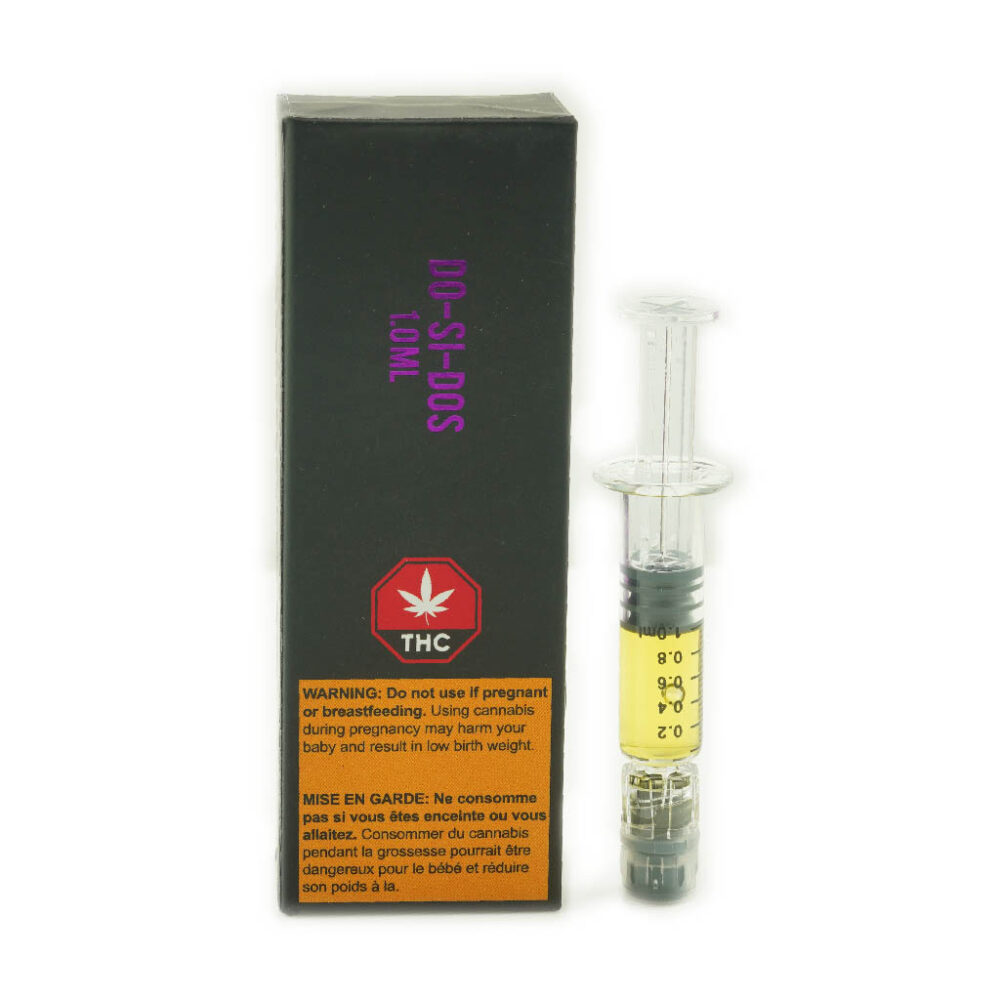
The blueberry haze syringe I tried was a delta 8 distillate, and it delivered exactly what I expected from a well-made concentrate: clean flavor, easy dosing, and a smooth experience. The strain character came through even in a refined oil, and the terpene profile made it distinct from generic distillates. For someone who wants the convenience of prefilled syringes without sacrificing quality, this product is worth a look. Just remember to check the lab results, verify the cannabinoid content, and store it properly. The syringe format solves a lot of the mess and guesswork that comes with traditional concentrate jars, and it makes dabbing or filling a vape cartridge much simpler.
If you are new to concentrates, a syringe is a forgiving starting point. You can control the dose drop by drop, and you do not need special tools beyond a dab rig or a compatible vape cartridge. If you are experienced, you will appreciate the consistency and the clean extraction. The blueberry haze syringe sits somewhere in the middle of the market, not the cheapest option but not the most expensive either. For the quality of the oil and the convenience of the packaging, it is a fair deal.
Corrections
Spot something wrong? Send it to the desk and it gets fixed in the open.